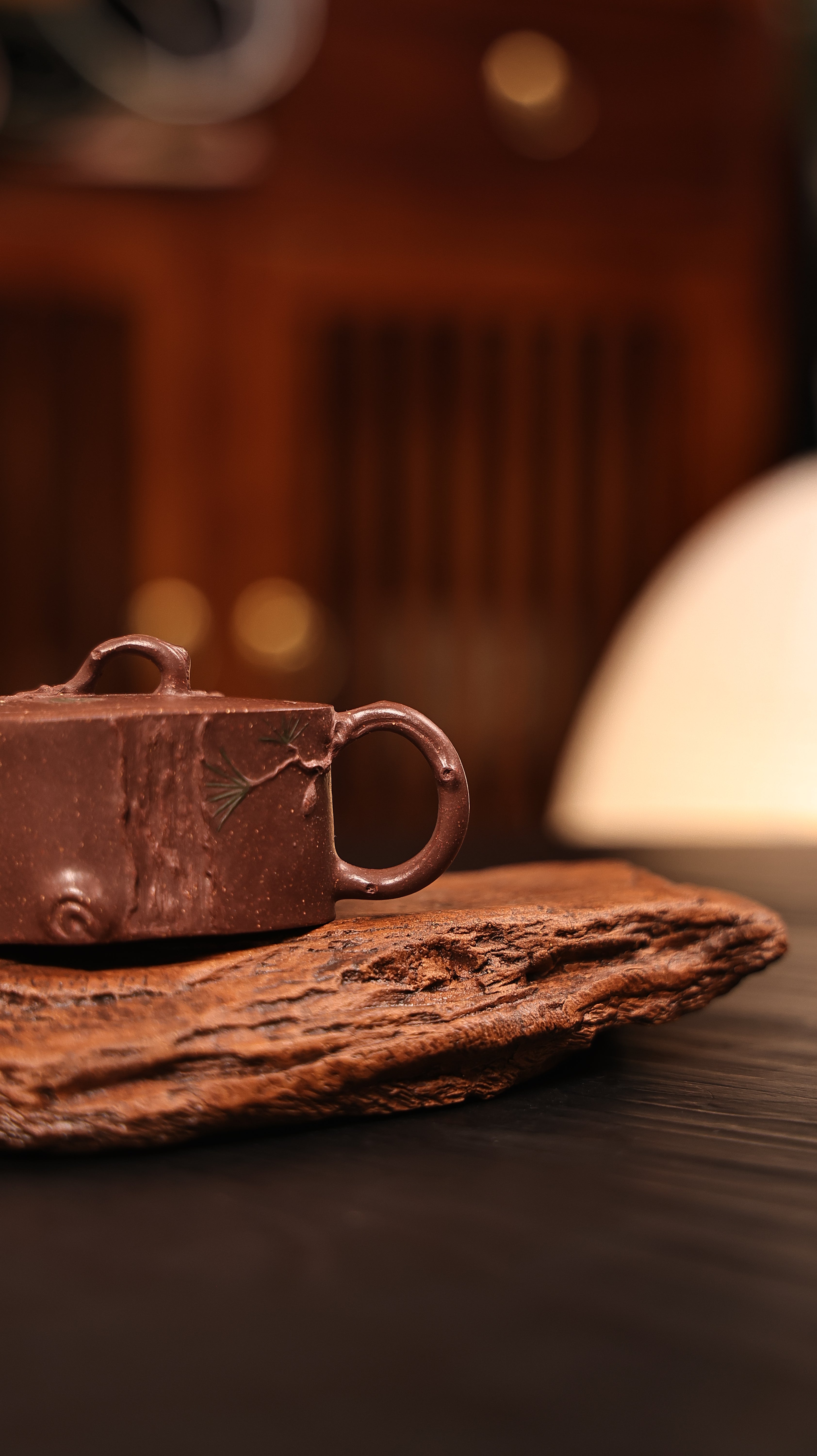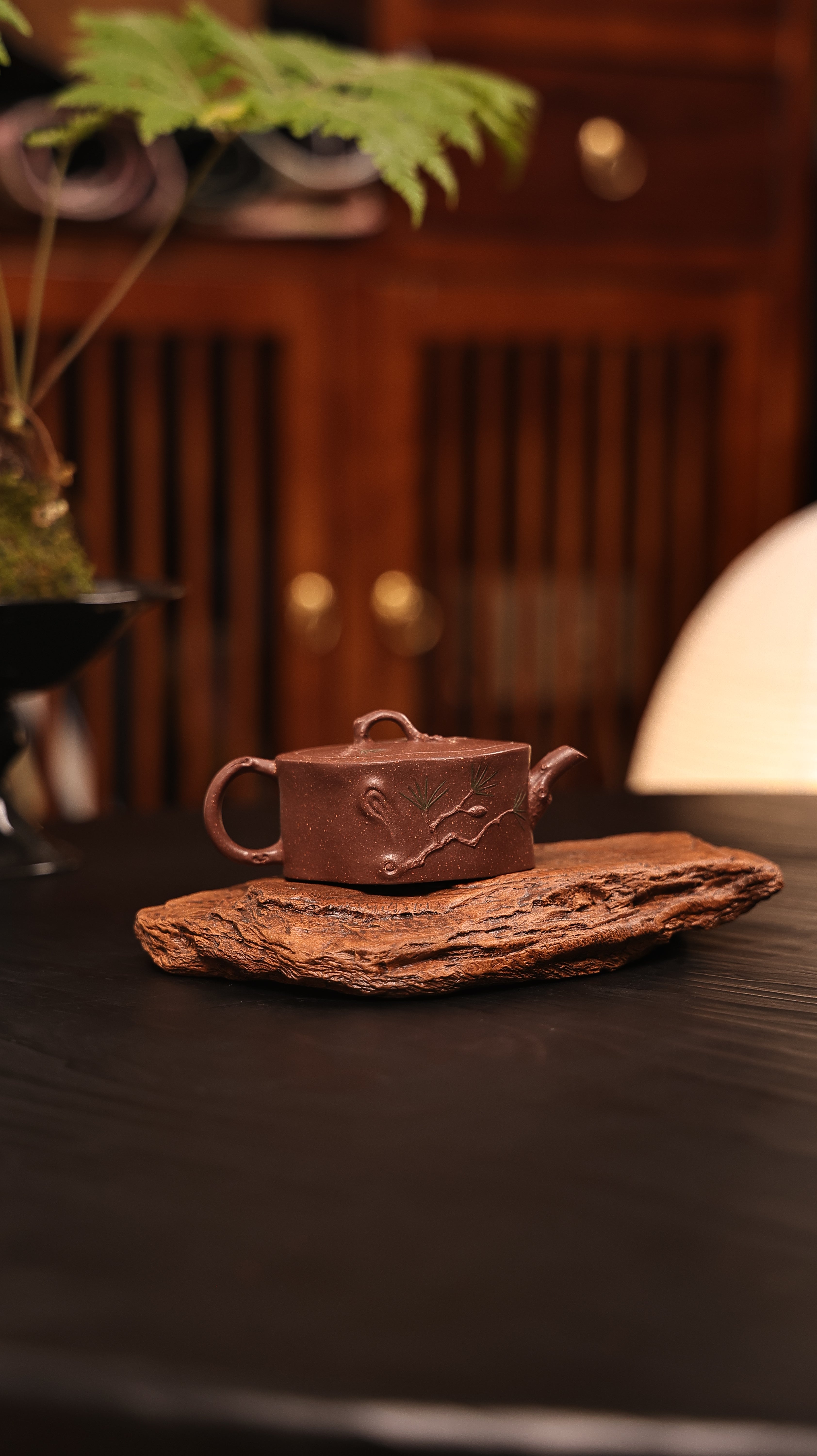
Opening this in-depth examination in relation to 宜兴 Tz'u Sha porcelain pots brings exclusive captivating combination between skill combined with effectiveness.
Yi-hsing Tzu-sa ceramic kettles retain special peerless enticement concerning gatherers worldwide. Distinguished outstanding clay vessels, originating from the original Yihsing locale inside Jiangsu territory, China, serve as more than just tea apparatus; they function as works artistic beauty and heritage significance. This finely processed clay, known under the name Zisha, imparts a understated flavor over the tea, and the decorative designs, often exemplifying traditional Chinese symbols, enhance their intrinsic value. Possessing a genuine Yixing Zisha teapot offers a pleasing journey, involving careful examination and an grasp of the manifold factors influencing its uniqueness.
Exploring Yixing Teapots
Issing pottery vessels boast a deep background deeply interwoven with Chinese legacy. Originating in Yixing, Jiangsu district, these vessels are crafted from a unique, porous purple clay found only in that special location. Their formation began during the Ming dynasty, with master craftsmen refining the approaches over centuries. Diverse types Chinese Teapot are available, including the classic Hexiang (resembling crab shells), Zhuni (red-brown hue), and Duan Ni (stone-studded) – each with distinctive attributes. The merit of an Yixing vessel isn't solely based on its size or trim, but also on the artisan’s reputation, the material's quality, and the brewery’s age and condition. Connoisseurs often seek out older examples, believing they absorb the essence of the beverage brewed within them over time, further adding to their distinction.- Crab Shell Brewing Vessels
- Earth-Toned Brewing Vessels
- Pebble-Embedded Tea Containers
Zisha Teapot Mastery: Technique & Techniques
A making of Zisha teapots represents a apex of Chinese ceramic technique. Experienced artisans employ established techniques, often passed down through heredity, to unlock the full potential of this unique clay. Strategies involve meticulous forming by hand, often combined with the looping method, followed by precise baking at incredibly severe temperatures in wood-fired kilns. Illustrating is equally crucial; makers utilize original clay colors and may incorporate embossing work to depict intricate scenes or patterns, demonstrating a profound comprehension of the material’s attributes and expressiveness. The completed teapot isn't merely a vessel for tea, but a testament to a substantial cultural heritage.
A Earthenware: An Guide to Yi-hsing Tzu-sha
Delving into the world of Eastern teapots commonly begins with Yixing Zisha. These special clay earthenware are formed from a exclusive type of clay located only in the Yixing region of Jiangsu Province province. Recognized for its typical reddish-purple hue and exceptional characteristics, Zisha clay offers a refined flavor to the drink and refines with age, transforming a cherished keepsake. Gathering Yixing Zisha pottery is more than just keeping a elegant object; it’s a celebration of tradition and craftsmanship.
Considering this Earthenware: Legitimacy & Advancement
Investigating the environment of Yixing Zisha earthenware can be absolutely beneficial, but obliges a meticulous judgment. Accuracy is imperative; abundant reproductions manifest, generally artfully assembled. Educating yourself about traditional tempering styles, peculiar terracotta properties, and the symbols of distinguished craftswomen is totally crucial. In addition, grasping the subtleties of the appreciation swing – influenced by conditions such as antique consequence and the appearance of the item – is paramount to beneficial buying.
- Analyzing firing history.
- Contacting consultants for certification.
- Assessing exchange patterns.
One Craft of Formulating with a Earthen Vessel
The rare allure of a Zisha equipment lies not just in its exquisite appearance, but also in its distinguished impact on the aroma of the beverage. These antique clay earthen vessels, sourced from certain regions of China, possess a basic porosity that quietly interacts with the liquid and leaves, imbuing the tea with a refined character. Mastering the art requires a thoughtful approach, understanding how the earthen material responds to assorted thermal conditions and leaf types, ultimately leading to a actually rewarding brewing encounter.
Protecting Own Gem
Proper treatment of your Yixing container is essential to protecting its longevity. These remarkable teapots, crafted from distinctive Yixing clay, build up a patina over periods that elevates their importance. Occasionally rinse the core with soft water, avoiding chemicals, and never use intense scrubbing tools. A gentle buffing with a soft cloth can support in doing away with residue. Allow your urn to completely dry subsequent to each steeping
Understanding Clay: Secrets Those Earthenware Are Special
The well-known appeal of Yixing teapots stems from the singular properties of Yixing clay, discovered solely near Yixing, the city of Yixing. This noteworthy clay, recognized as ferruginous porcelain , contains a unique combination of compounds that, with age, soak up the bouquet of the liquids it holds. This creates a exclusive note for each teapot, allowing it a importance far exceeding its beginning price and supporting to their highly prized status among connoisseurs.
Discovering the Optimal Classic Clayware: A Pottery Explanation
Venturing into the world of Purple clay teapots can feel overwhelming, but understanding the fundamentals is important to picking a valued piece. That kind of clay, sourced predominantly from the environs of Yixing, Jiangsu, is famous for its distinctive texture and ability to enhance the taste of the infusion over years. Think about the form, the hue, and the look and feel; a genuine Zisha teapot is more than just a vessel; it's a work of art and a symbol of cultural culture. Analyze the engraving of the creator for clues to its source and potential price.