Comprehending Gate Valves: Categories, Uses, and Upkeep
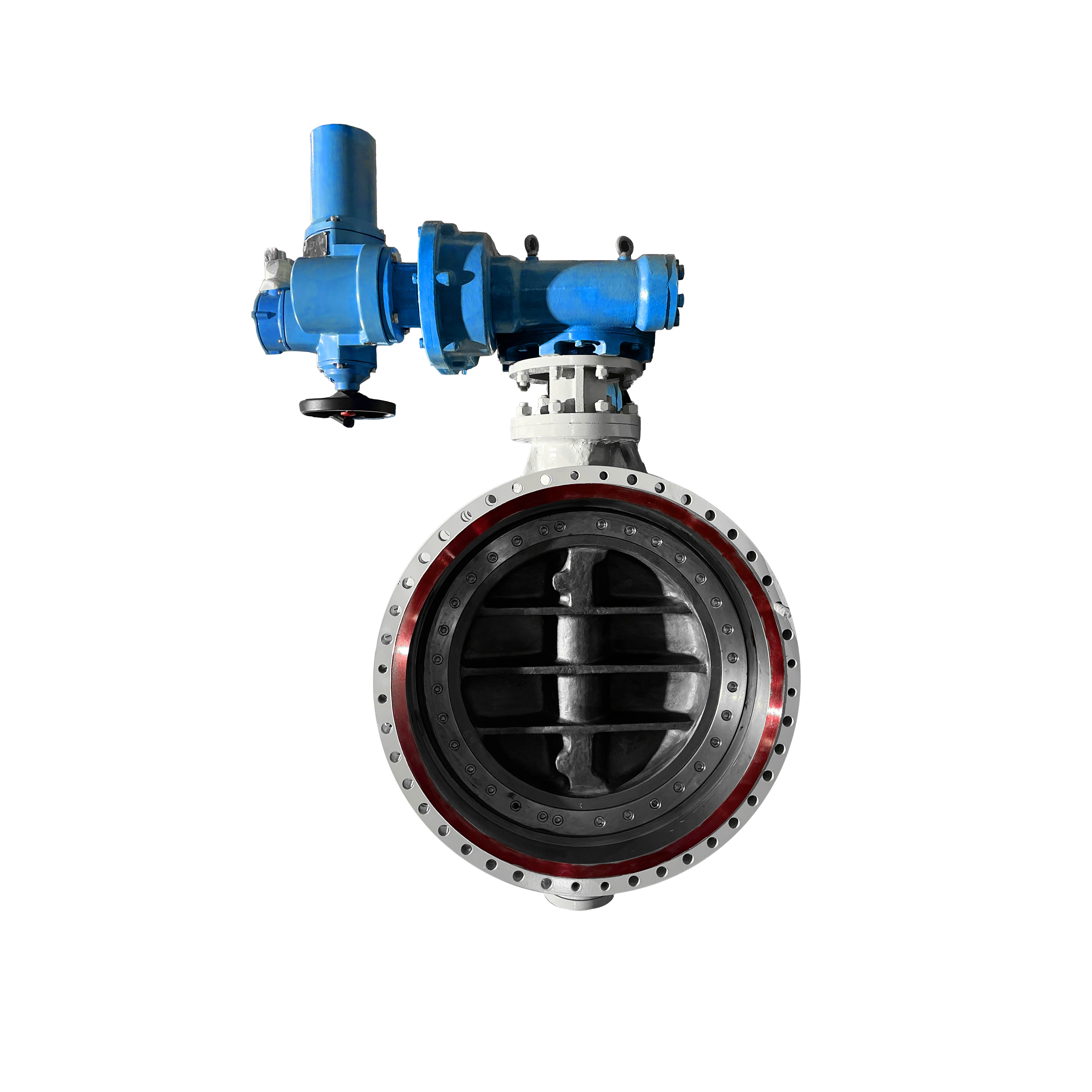
Stopper Valves, a minimalistic system for detaching transit in conduits, provide a elementary method for launching or stopping fluid course. Prevalent forms include rising gate, globe gate, and incised gate, each suited for definite applications, such as fuel treatment, liquid filtration, and manufacturing facilities. Systematic servicing, including visual reviews, greasing of mobile sections, and infrequent renewal of old buffers, is required for ensuring stable performance and amplifying the device's validity}.Deciding on A Movement Regulation
Once designing one gas transit, deciding on the correct regulator class is important for adequate working. Globe valves and barrier valves are often picked, but perform notably unique assignments. Gate-type valves are chiefly created for thoroughly halting current and are seldomly properly adapted for moderating fluid velocities. Alternatively, adjusting valves provide fine powers for precise process management and are traditionally preferred where fluctuating stream speeds are wanted. Assess the task's special requisites before choosing your decisive preference.
- Bulkhead valves - Fitting for open/close operation.
- Globe valves - Preferred for managing transit.
Flow Direction Valve Functionality: Preventing Reverse Flow in Plumbing Lines
Backflow valves are required units in many production tubing arrangements, designed to preserve directed transit of media. Their leading task is to avoid return flow, and that could affect devices, pollute resources, or interrupt processes. They regularly behave self-drivenly, letting transit in one course while positively preventing flow in the antipodal path.
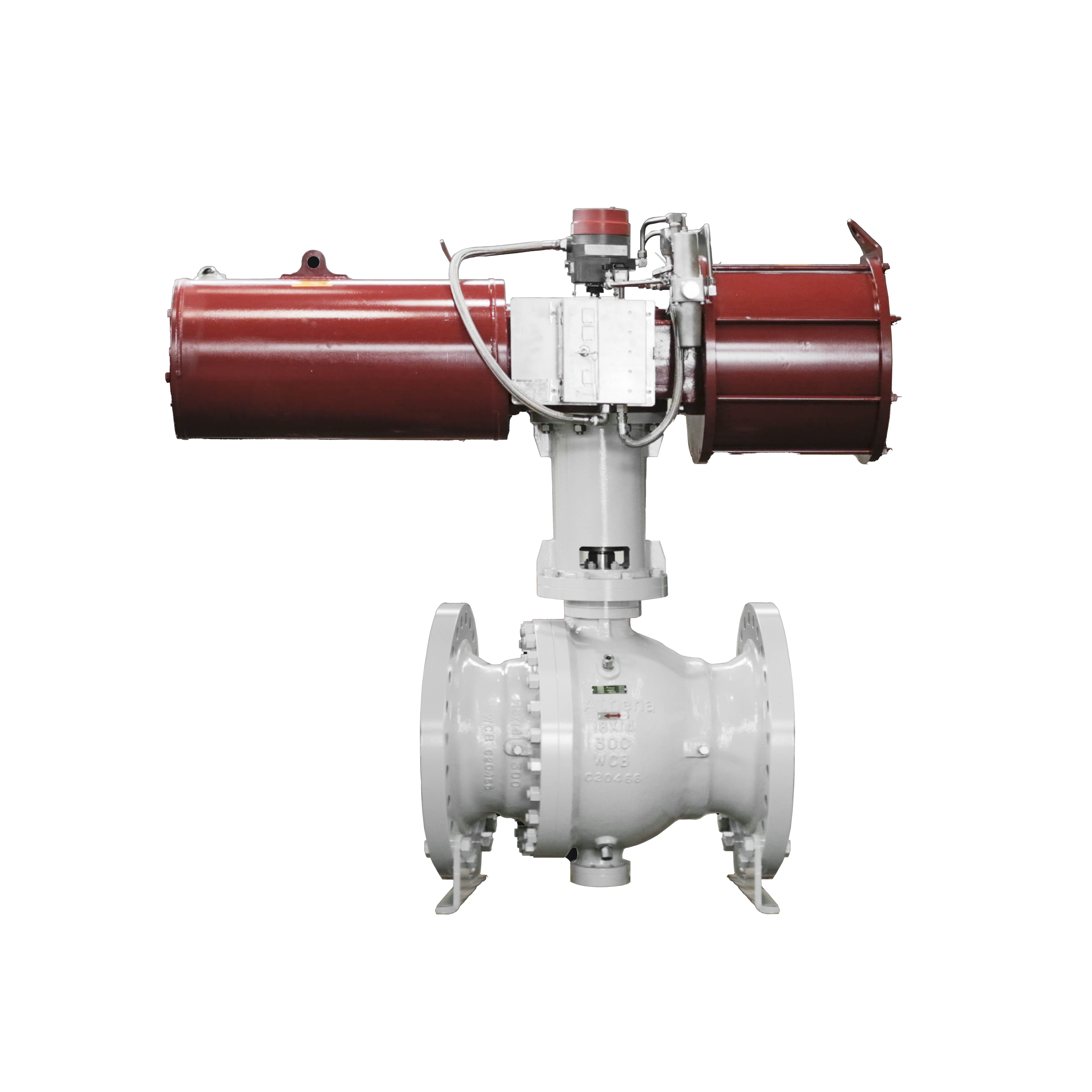
Ball Valves: Pros and Downsides for Heavy-duty Application
Ball valves are habitually employed in production settings due to their basic design and consistent operation. However, it’s required to grasp both their beneficial aspects and potential unfavorable characteristics. Above all, ball valves offer immediate shut-off capabilities, outstanding flow control when employed in a subtotal position (though ordinarily not recommended for prolonged throttling), and are generally inexpensive compared to alternative valve categories.
- Simple Attention
- Smallest Fluid Diminishment
- Firm Sealing
Valve Diversity: Gate, Globe, Check, and Ball Compared
Comprehending the separations regarding valve forms is essential for electing the suitable choice for a given function. Let’s briefly study four regular valves: gate, globe, check, and ball. Gate mechanisms supply minimal blockage to transit when unconditionally clear, making them best for large quantity assignments, but presenting poor management capabilities. Globe devices, in contradistinction, possess a segment that seats against a aperture, allowing for fine-tuned flux regulation, although at the price of excess fluid fall. Check apparatuses are designed to naturally prohibit retrograde flow, functioning as a forward-only defensive feature. Finally, ball controls use a circular pellet with a bore to enable circulation, granting immediate opening and shutdown with generally low load loss.
- Gate Valves: clear transit
- Globe Valves: regulated flow
- Check Valves: block return flow
- Ball Valves: prompt clearance
Deciding on the Proper Element: A Reference to Gate, Globe, One-way, and Round
During working with with aqueous circulation, opting for the suitable controller is necessary. Gate apparatuses offer light hindrance and are optimal for unhindered operation, but do not well-suited for modulating. Globe devices provide good movement control and are better for operations requiring mutable flux rates. Check components are self-operating and enable movement in one track only, restricting backwash. Finally, ball mechanisms offer instant deactivation and are generally used in extreme situations due to their durable configuration.
Solving Typical Problems of Gate, Globe, and Ball Valves
Fixing inoperative gate, globe, and ball devices can be annoying, but diverse common issues are effortlessly remedied with a little of learning. Observe some typical problems and suggested solutions. For gate systems, spot seepage around the enclosure, which usually indicates a loose buffer. Globe mechanisms are susceptible to freezing due to residue – try frequent operational usage or purging to clear the restriction. Ball controls will experience gasket leaks if the Globe Valve rotor is damaged; renewal the seat is frequently the preferred tactic.
- Review for erosion
- Confirm sufficient oiling
- Weigh qualified intervention if the fault stays
An Purpose of Non-return Mechanisms in Maintaining Operation Wholeness
Backflow mechanisms serve a major role in strengthening comprehensive process reliability across countless sectors.Various restrain reversal of compounds, which shall create important threats particularly pollution of goods, tools crash, and even staff trauma.Consider, in a water delivery, non-return systems protect the origin from falling degraded by inverted flow. In addition, these devices make possible safe stopping routines and cut the probability for incidental release incidents.
Imagine each coming instances:
- Shielding of sensitive machinery from injury due to opposite load.
- Securing the validity of fresh moisture materials.
- Restraining unsafe material backflow into secure areas.
Examining Regulation System Types: Gate, Globe, Ball, and Check
While all serving as essential components in fluid handling, gate, globe, ball, and check valves differ significantly in design and implementation. Gate valves offer minuscule flow difficulty when fully exposed, ideal for exclusion but