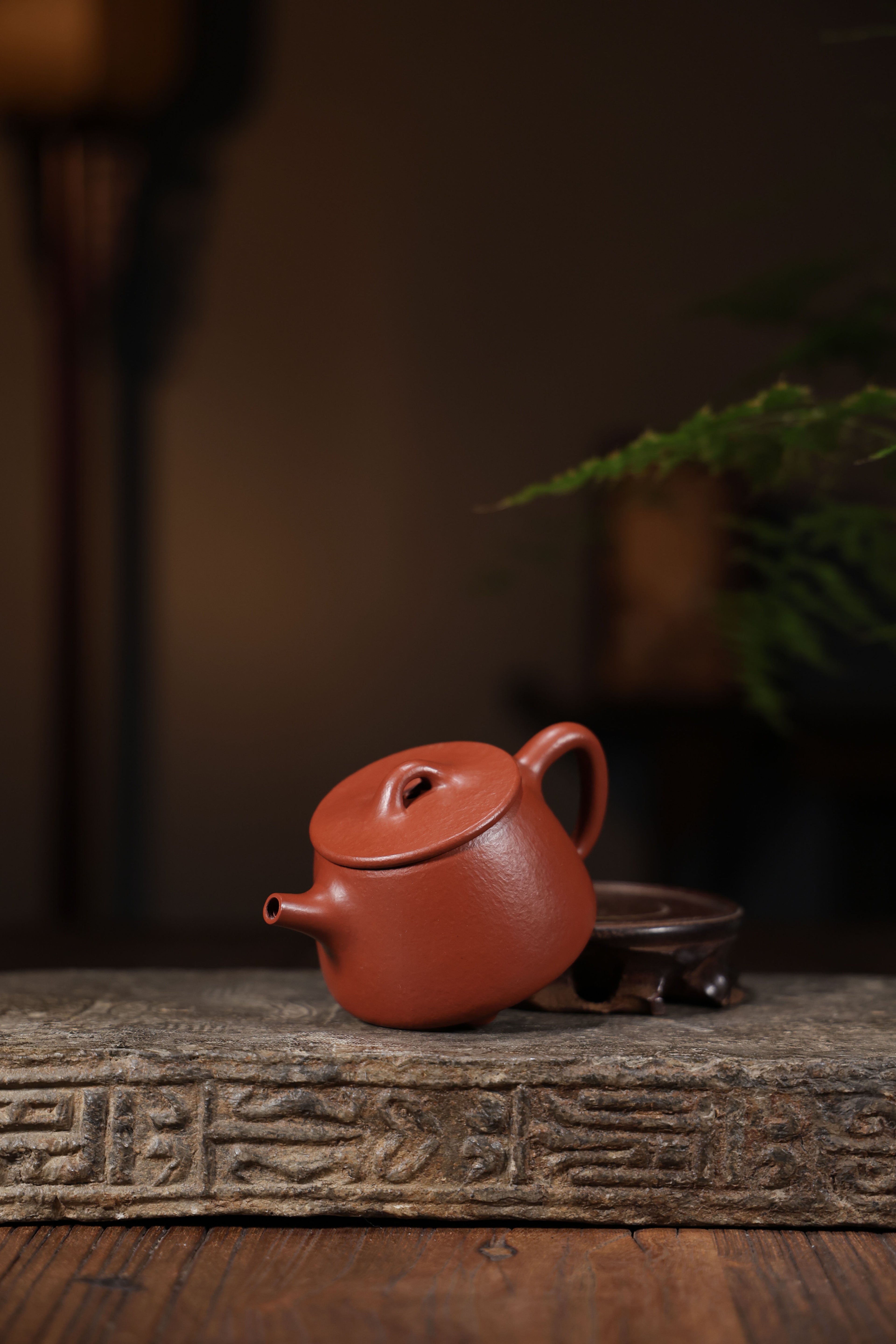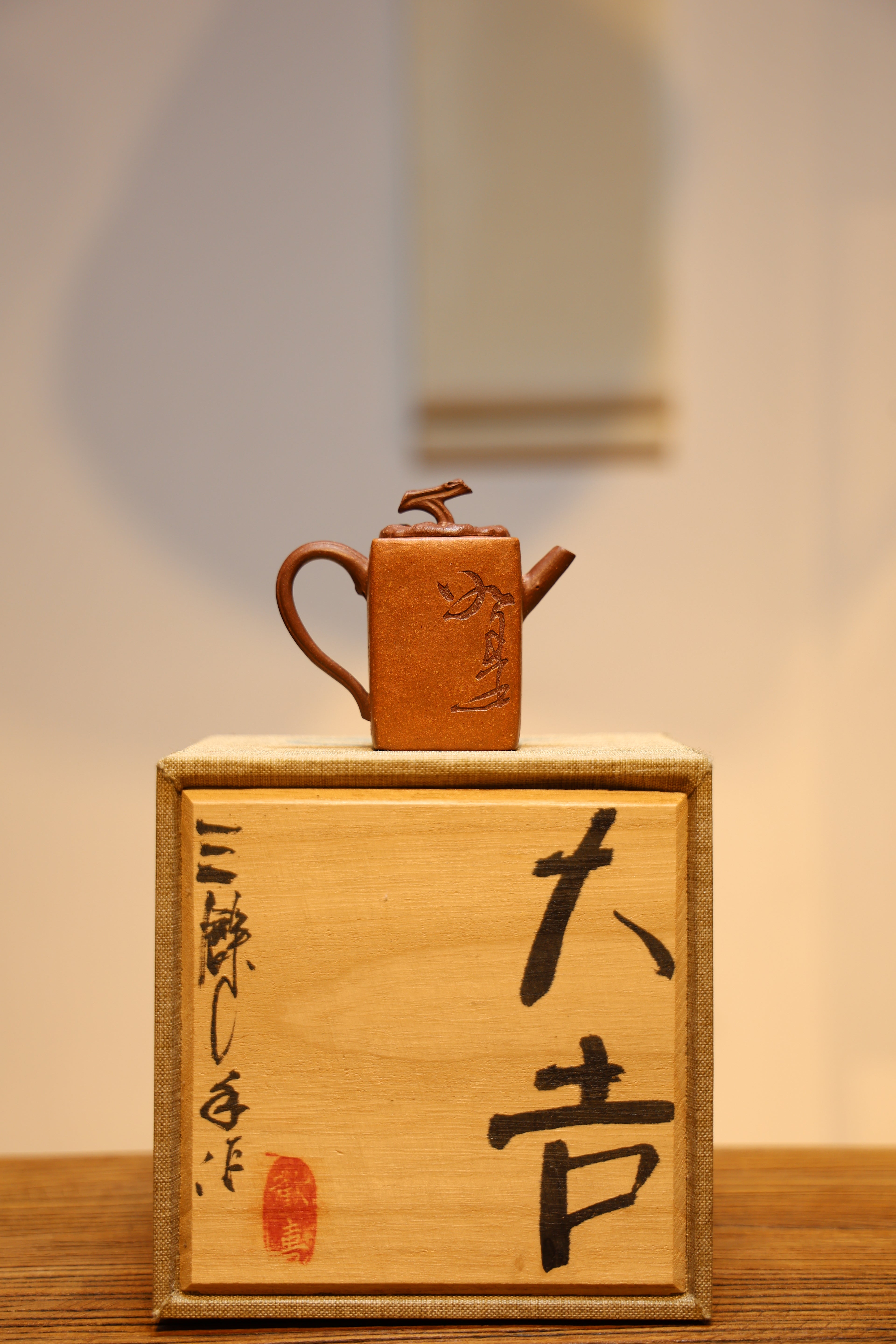
Starting our inclusive examination with respect to Yi-hsing Zi-sha teapots offers a captivating mixture between skill together with performance.
Eysing Tz'u Sha brewing containers boast a unique allure for curators worldwide. Distinguished amazing terra cotta vessels, begun from the special Ising zone of Jiangsu province, China, constitute more than just steeping vessels; they stand as works art beauty and cultural significance. The finely classified clay, known designated as Zisha, imparts a refined flavor upon the tea, and the fancy designs, often exemplifying traditional Chinese symbols, contribute to their core value. Attaining a genuine Yixing Zisha teapot constitutes a fulfilling journey, posing careful scrutiny and an comprehension of the various factors influencing the uniqueness.
Understanding Yixing Pottery
Eysing teapots boast a colorful heritage deeply interwoven with Chinese culture. Originating in Yixing, Jiangsu locality, these vessels are crafted from a unique, porous purple mud found only in that exclusive location. Their development began during the Ming time, with master craftspeople refining the systems over decades. Different types occur, including the classic Hexiang (resembling crab shells), Zhuni (red-brown hue), and Duan Ni (stone-studded) – each with distinctive features. The merit of an Yixing pot isn't solely based on its size or trim, Chinese Teapot but also on the maker’s reputation, the element's quality, and the pottery’s age and condition. Collectors often seek out older examples, believing they accumulate the flavor of the drink brewed within them over time, further adding to their prominence.- Traditional Teapots
- Russet Brewing Vessels
- Pebble-Embedded Brewing Vessels
Zisha Teapot Mastery: Creation & Systems
This manufacture of Zisha teapots represents a culmination of Chinese ceramic expertise. Professional artisans employ age-old techniques, often passed down through heritage, to unlock the full character of this unique clay. Systems involve meticulous shaping by hand, often combined with the building method, followed by precise curing at incredibly high temperatures in wood-fired kilns. Ornamenting is equally crucial; artisans utilize natural clay colors and may incorporate relief work to depict intricate scenes or patterns, demonstrating a profound familiarity of the material’s capabilities and voice. The outcome teapot isn't merely a vessel for tea, but a testament to a lasting cultural heritage.
A Claywares: Distinct Overview to Eysing Tzu Sha
Studying the world of Chinese teapots sometimes initiates with Yixing Zisha. These singular clay brewing tools are crafted from a particular type of clay mined only in the Yixing region of the Jiangsu area province. Recognized for its singular reddish-purple hue and exceptional properties, Zisha clay gives a gentle flavor to the beverage and ripens with age, shaping into a cherished prized possession. Holding Yixing Zisha teapots is more than just possessing a lovely object; it’s a commemoration of heritage and skill.
Considering this Clay Pottery: Validity & Increase
Exploring the domain of Yixing Zisha ceramics can be utterly profitable, but calls for a sharp perception. Veracity is essential; numerous replicas exist, often ingeniously assembled. Familiarizing oneself about old-fashioned firing techniques, peculiar material characteristics, and the stamps of esteemed creators is totally crucial. Moreover, understanding the particulars of the evolution pattern – influenced by elements such as historical value and the shape of the object – is essential to rewarding buying.
- Examining kiln lineage.
- Hiring authorities for attestation.
- Evaluating sales behavior.
Such Practice of Formulating with a Earthen Kettle
Unique singular allure of a Zisha teaware lies not just in its attractive appearance, but also in its notable impact on the flavor of the drink. These traditional clay brewing pots, sourced from unique regions of China, possess a natural porosity that quietly interacts with the liquid and leaves, imbuing the libation with a refined character. Mastering the craft requires a attentive approach, understanding how the substance responds to distinct temperatures and plant types, ultimately leading to a truly rewarding tasting experience.
Conserving Your Artifact
Proper care of your Yixing container is essential to sustaining its lastingness. These exceptional teapots, crafted from rare Yixing clay, gain a appearance over time that augments their esteem. Periodically rinse the inner area with warm water, avoiding harsh substances, and never use powerful scrubbing tools. Intermittent gentle washing with a delicate cloth can facilitate in doing away with residue. Allow your kettle to properly dry once each occasion
Explaining Purple: Factors Particular Kettles Stand for Exclusive
The renowned appeal of Yixing teapots lies within the characteristic properties of Stoneware clay, located solely near Yixing, eastern China. This uncommon clay, recognized as ferruginous porcelain , contains a unique combination of constituents that, over time, take in the essence of the drinks it incubates. This yields a singular fragrance for each pot, transforming it a merit far outperforming its initial price and leading to their respected status among aficionados.
Selecting the Right Traditional Clayware: A Stoneware Explanation
Venturing into the world of Purple clay teapots can feel overpowering, but understanding the basics is key to selecting a prized piece. Such clay, sourced mainly from the district of Yixing, the Jiangsu district, is celebrated for its exclusive grain and ability to boost the bouquet of the beverage over age. Evaluate the design, the hue, and the look and feel; a authentic Zisha teapot is more than just a vessel; it's a work of art and a symbol of cultural culture. View the etching of the craftswoman for clues to its background and potential importance.