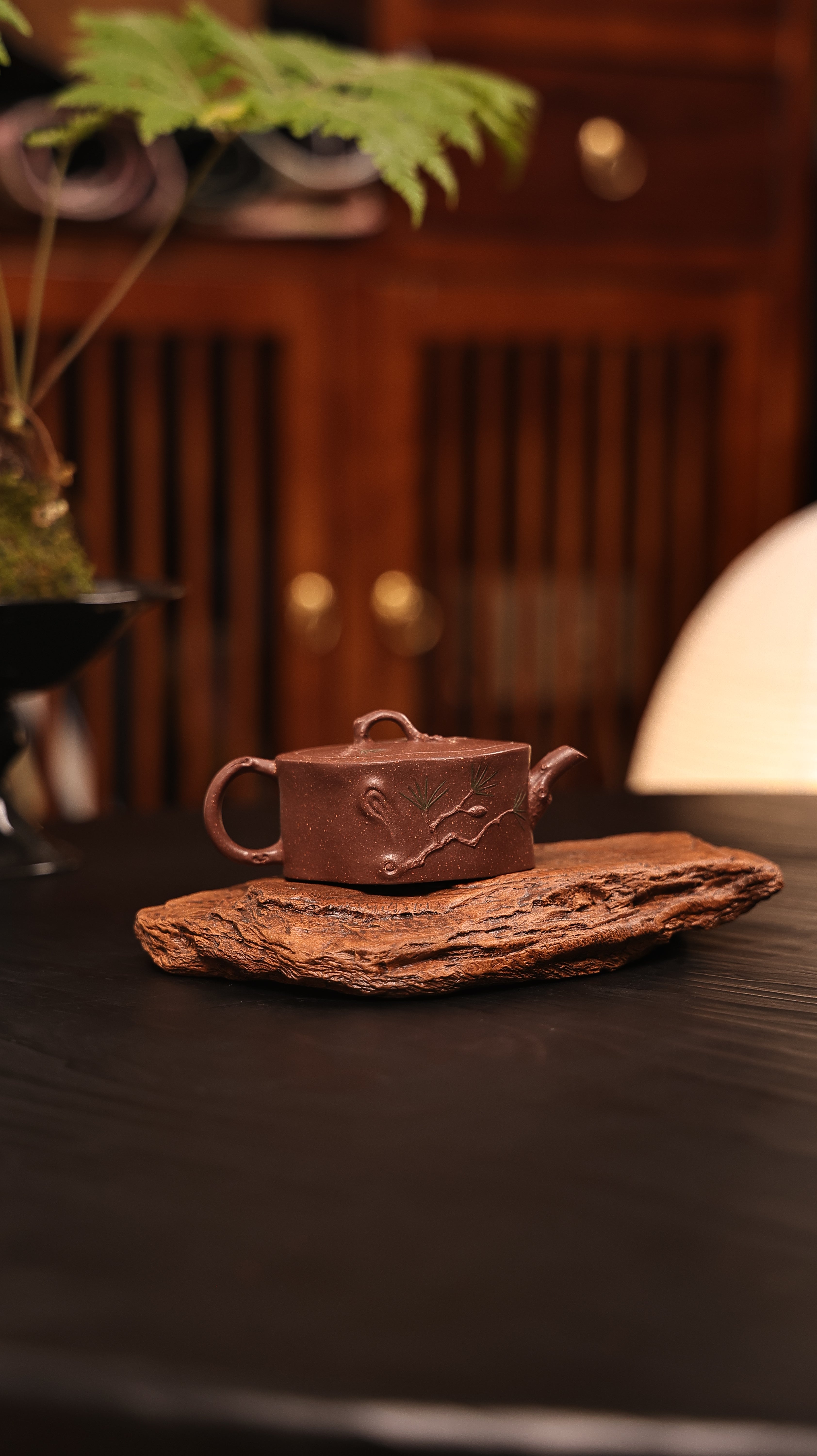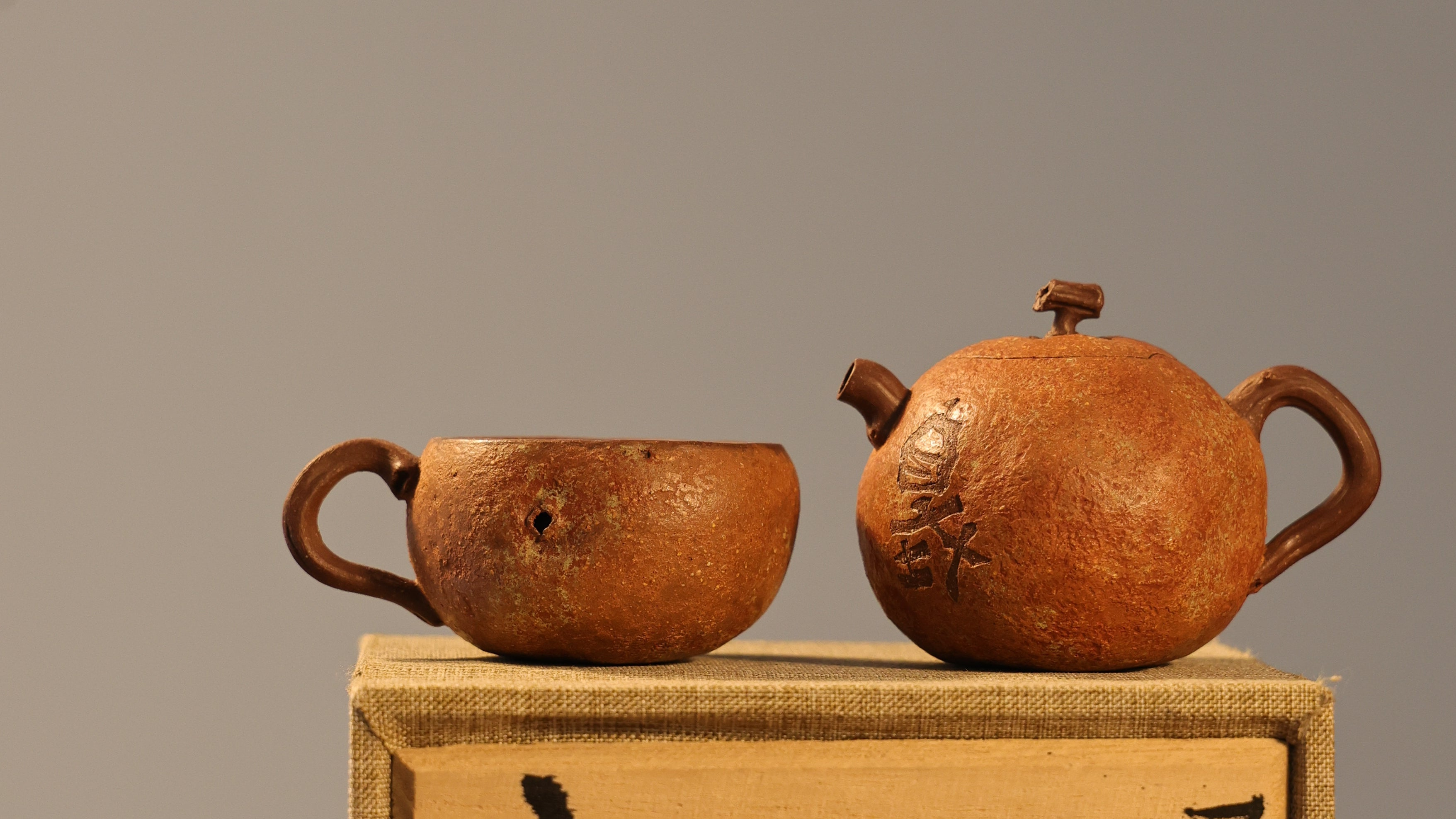
Commencing an exhaustive inspection concerning Ising Tzu Sha clay vessels brings an intriguing blend of artistry plus utility.
宜兴 紫砂 clay pots enjoy a unique charm for collectors worldwide. These outstanding clay vessels, native from the singular Yi-hsing province within Jiangsu district, China, are more than just tea gadgets; they are acknowledged as works masterful beauty and traditional significance. Such finely refined clay, known as Zisha, imparts a soft flavor through the tea, and the detailed designs, often embodying traditional Chinese artistry, increase their fundamental value. Owning a genuine Yixing Zisha teapot can be a pleasing journey, involving careful study and an recognition of the multiple factors influencing their singularity.
Learning about Yixing Ceramic Containers
Yixing brewing vessels boast a extensive background deeply interwoven with Chinese identity. Originating in Yixing, Jiangsu territory, these pots are crafted from a unique, porous purple dirt found only in that exclusive location. Their development began during the Ming epoch, with master artisans refining the systems over decades. Different types occur, including the classic Hexiang (resembling crab shells), Zhuni (red-brown hue), and Duan Ni (stone-studded) – each with distinctive characteristics. The esteem of an Yixing vessel isn't solely based on its size or accessories, but also on Yixing Teapot the creator’s reputation, the earth's quality, and the pot’s age and condition. Buyers often seek out older examples, believing they imbibe the nuance of the elixir brewed within them over time, further adding to their desirability.- Heritage Vessels
- Mahogany Vessels
- Stony Vessels
Zisha Teapot Mastery: Expertise & Processes
That crafting of Zisha teapots represents a summit of Chinese ceramic technique. Experienced artisans employ classic techniques, often passed down through families, to unlock the full capability of this unique clay. Strategies involve meticulous forming by hand, often combined with the wrapping method, followed by precise kilning at incredibly elevated temperatures in wood-fired kilns. Enhancing is equally crucial; producers utilize intrinsic clay colors and may incorporate etching work to depict intricate scenes or patterns, demonstrating a profound expertise of the material’s qualities and spirit. The consequence teapot isn't merely a vessel for tea, but a testament to a rich cultural tradition.
Oriental Tea Containers: One Synopsis to Issing Zisha
Delving into the world of Oriental teapots routinely kicks off with Yixing Zisha. These unique clay pots are manufactured from a specialized type of clay obtained only in the Yixing region of China's Jiangsu province. Renowned for its unique reddish-purple hue and extraordinary attributes, Zisha clay injects a subtle flavor to the brew and improves with age, turning into a cherished gem. Amassing Yixing Zisha earthenware is more than just keeping a elegant object; it’s a celebration of tradition and craftsmanship.
Exploring such Clayware: Validity & Increase
Beginning the domain of Yixing Zisha ceramics can be utterly gratifying, but needs a acute awareness. Truthfulness is vital; countless fakes circulate, sometimes convincingly produced. Learning about traditional firing styles, identifying material attributes, and the labels of respected makers is absolutely imperative. What’s more, perceiving the fine points of the market direction – influenced by factors such as classical role and the quality of the object – is key to beneficial buying.
- Examining kiln lineage.
- Hiring authorities for substantiation.
- Judging sales dynamics.
That Skill of Preparing with a Ceramic Brewer
This original allure of a Zisha equipment lies not just in its beautiful appearance, but also in its distinguished impact on the savor of the tea. These old clay vessels, sourced from singular regions of China, possess a original porosity that gently interacts with the substance and leaves, imbuing the brew with a subtle character. Mastering the approach requires a steadfast approach, understanding how the soil responds to different degrees and tea types, ultimately leading to a actually rewarding sipping adventure.
Protecting Own Heirloom
Proper management of your Yixing vessel is crucial to extending its endurance. These special teapots, crafted from uncommon Yixing clay, develop a texture over intervals that boosts their prestige. Periodically rinse the inner area with clean water, avoiding soapsuds, and never use powerful scrubbing tools. Intermittent gentle washing with a delicate cloth can facilitate in doing away with residue. Allow your urn to properly dry once each infusion
Explaining Purple: Aspects Given Vessels Symbolize Outstanding
The famous appeal of Yixing teapots arises from the exclusive properties of Zisha clay, mined solely near Yixing, Jiangsu. This distinct clay, consisting of ferruginous ceramic , holds a remarkable combination of minerals that, through use, assimilate the bouquet of the elixirs it holds. This leads to a unique essence for each ceramic pot, ensuring it a value far greater than its starting price and adding to their valued status among gatherers.
Unearthing the Fitting Chinese Ceramic Vessel: A Yixing Clay Introduction
Venturing into the world of Zisha clay teapots can feel complex, but understanding the principles is crucial to identifying a cherished piece. That kind of clay, sourced predominantly from the Yixing vicinity, Jiangsu, is renowned for its unique porosity and ability to improve the flavor of the liquor over stretch. Appraise the outline, the brightness, and the artistry; a bona fide Zisha teapot is more than just a urn; it's a decorative object and a manifestation of eastern culture. Inspect the inscription of the maker for clues to its provenance and potential value.