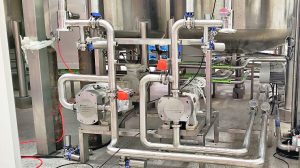
Ever more common ordinary laundry field, cleaning pigs afford a valuable advantage in handling cleaning agents. This advanced technique minimizes discard of intense compound by utilizing a plug to drive it through the channel – effectively emptying the receptacle. Grasping the essentials of these frameworks can yield economic gains and a enhanced green function.
Pusher Devices Enhance Soap Transmission
The typical method of shifting garment-cleansing detergent presents considerable challenges, often leading to loss and poor performance. However, a new approach – pigging systems – is wholly shifting how corporations handle these considerable materials. These systems utilize a soft "pig," a dense device, to urge the detergent through a line, productively eliminating trapped gas and ensuring nearly complete product collection. Benefits include diminished discard, better operation, and a minimized environmental effect.
- Minimizes detergent residue
- Elevates production competence
- Advocates responsible practices
Maximizing Washing Agent Transmission through Pigging Methods
Improving efficiency in textile washing facilities often involves addressing issues related to detergent dispersion. Traditional systems frequently experience discard due to residual detergent clinging to pipes and lines, leading to increased operational budgets. Pigging techniques, originally utilized in the oil industry, provides a compelling resolution to this issue. By sending a “pig”—a specialized gadget—through the detergent conduits, these systems effectively expel remaining product, maximizing return and minimizing avoidable material. This ultimately results in a more environmentally conscious and cost-effective laundry function for companies.
Strengths of Pigging Technology for Washing Agent Creation
Implementing displacement tools offers considerable positives for washing powder assembly facilities. These systems capably clear product traces from pipelines, minimizing discard and shrinking interruptions during servicing. Consequently, full output is strengthened, culminating in minimized expenditures and a conscientious method. Furthermore, pipeline pigs promotes to preserving value by preventing pollution between batches and ensuring a fresher final commodity.
Cutting Excess and Increasing Productivity: Cleaning Agent Pigging
Laundry washing solution manufacturing can spawn significant waste material, but a new process called “pigging” offers a technique to diminish this setback. This operation involves using a pliable tool, the "pig," to force remaining compound from the creation lines, often scrapped as residue. By regaining this previously lost cleaning agent, companies can considerably reduce expenditures and strengthen overall commercial competence. The environmental virtues are also weighty, as it reduces the volume of waste sent to disposal sites.
- Lowers Material Expenses
- Enhances Factory Productivity
- Lessens Environmental Footprint
Adopting Pigging Technology for Fabric Soap Processes
To maximize throughput and lessen downtime in your laundry cleaning production plant, consider establishing a purging system. This leading-edge approach successfully dislodges remaining product and crust from passages, accordingly raising output and lowering overflow. A well-designed purging plan can also lengthen the duration of your pipes layout, causing considerable cost economies and a more environmentally conscious process.
Sustainable Practices in Detergent Pigging
The practice of laundry washing redistributing presents a promising path laundry detergent pigging system towards a improved environmentally responsible outlook. Typically, leftover wash product remains in bottles become junk material, supplying to environmental weight. However, this innovative process involves reclaiming these retained volumes and reprocessing them into profitable items, particularly soil amendment or business elements.
- Reduces refuse volume
- Minimizes commodity depletion
- Offers a sustainable economic design
Pigging System Design for Laundry Detergent Applications
The development of a pipeline process for garment detergent processes presents individual challenges. Detailed examination must be given to the thickness of the compound, which can transform considerably depending on formulation and climate. Also, the roughness of certain substances necessitates the picking of durable pusher ingredient and proper pipe assembly. Powerful removal involves a meticulous pressure pattern to ensure total displacement of lingering product and prevent obstructions or wear to the pipe structure.
Fixing and Upkeeping Fabric Soap Slugging Devices
Regular diligent preservation and speedy debugging are paramount for maintaining the performance of laundry washing pigging setups. Typical issues encompass blockages within the conduit, detergent buildup impacting flow, and sensor errors. Periodic inspections, involving mechanical tests of hoses, junctions, and the pig itself, are imperative. Correcting these problems promptly – often through purging the system or substituting worn parts – can reduce costly downtime and enhance the functional period of the entire assembly.